
You rarely find out about a blocked stormwater drain on a sunny day. You find out in the middle of a downpour, when the grate in the yard has turned into a fountain, water is sheeting past the garage door, and the gutter is spilling over the front step instead of going down the pipe. By the time it is obvious, it is already doing damage.
Our Sydney plumbers clear blocked stormwater drains properly. We put a camera down the line first so we know whether we are dealing with silt, leaf litter, tree roots or a collapsed section, then clear it with high-pressure jetting and tell you what it will take to stop it happening again next storm.
$0, every job
Sydney-wide
Same-day, 24/7
NSW Licensed & Insured
Your stormwater system runs from the roof to the street, and a blockage can sit anywhere along it. We work on the whole line, not just the bit we can reach from the yard.
Grates overflowing, pits filling up and water going nowhere. We locate the blockage, clear it with a high-pressure jetter, and flush the line out properly rather than punching a hole through the middle of a silt build-up and calling it done.
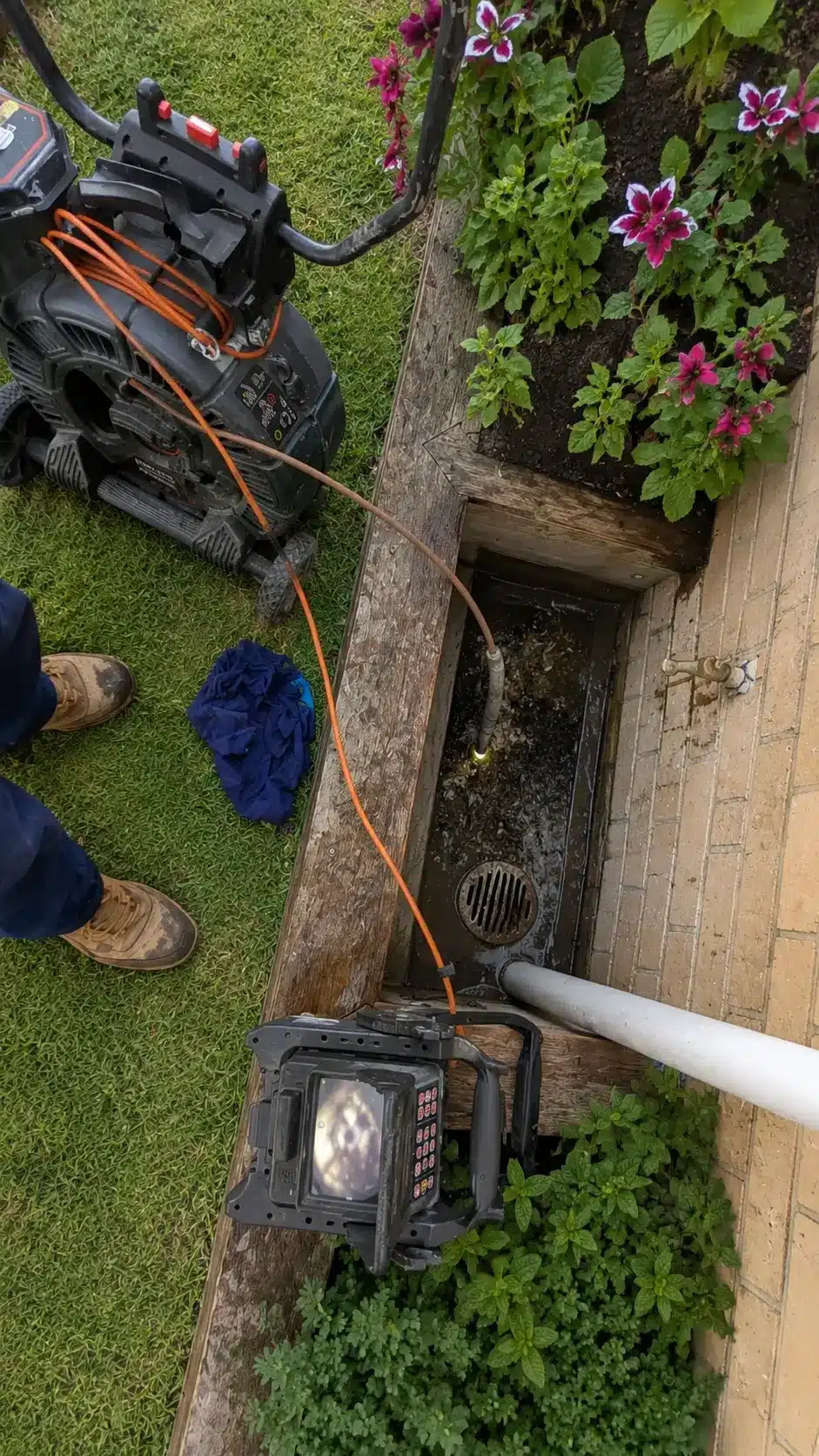
This is the step most people skip, and it is the one that matters. A camera tells us whether your line is simply full of leaves and silt, which is a clean, or whether it is cracked, sagging or full of roots, which is a repair. Same symptom, completely different job and completely different price.
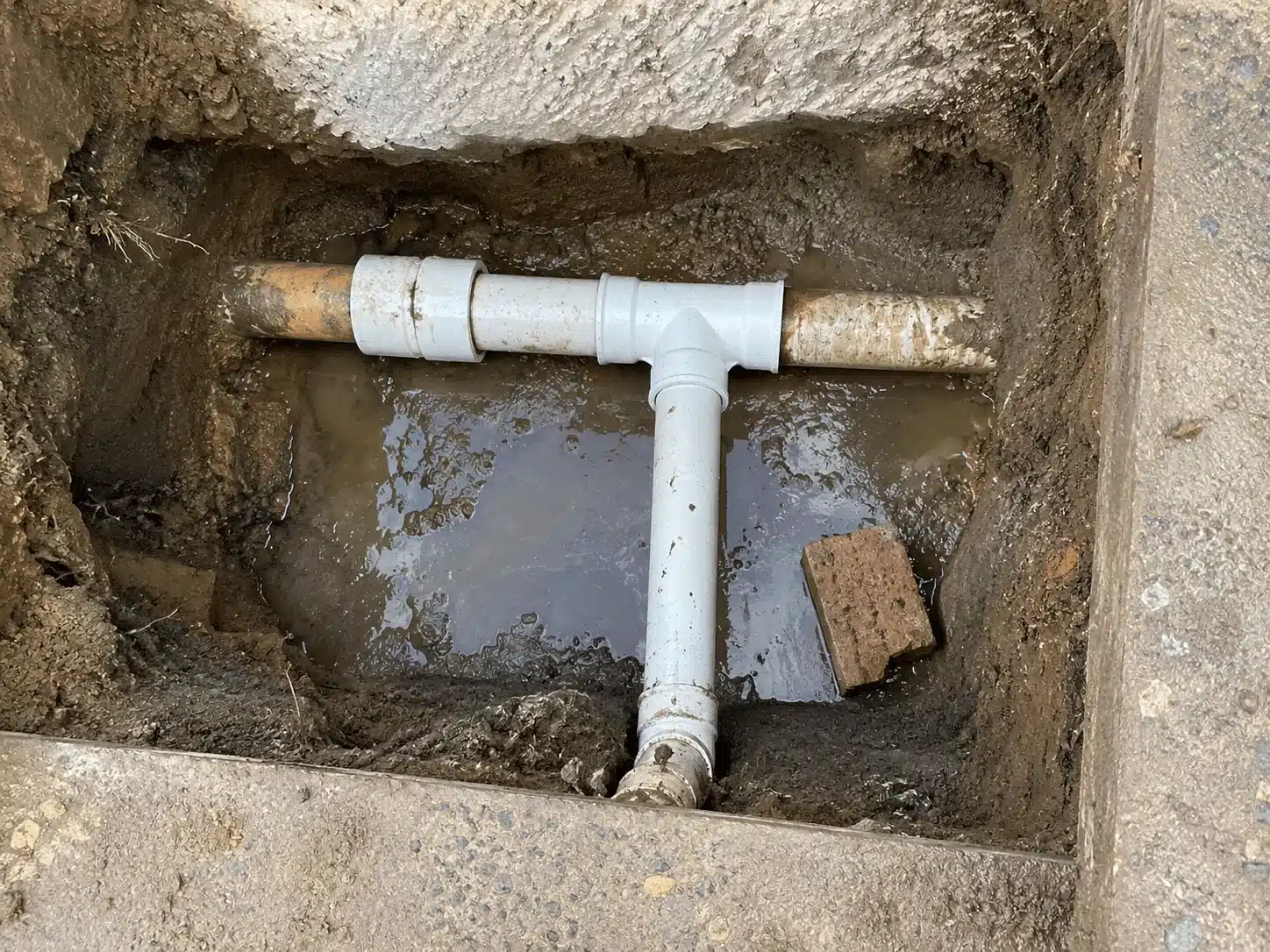
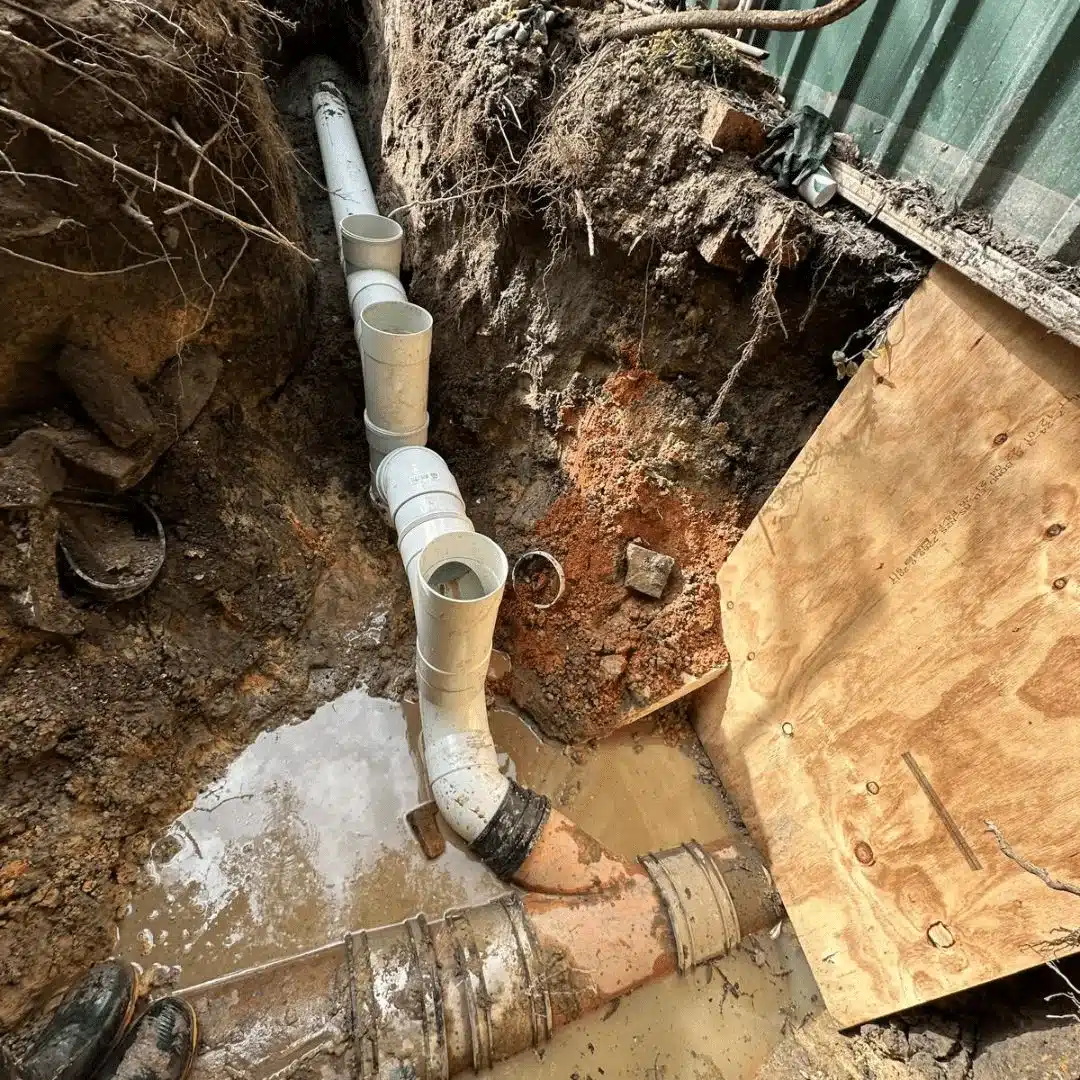
When the camera shows a cracked, root-damaged, or collapsed section, clearing it will not hold. We repair or replace the damaged length, and where the pipe suits it we reline from the inside so your lawn, paving and driveway stay where they are.
Surface grates, channel drains across driveways, and stormwater pits fill with silt, sand, leaves and garden mulch until they stop taking water at all. We clean them out, check the outlets are flowing, and make sure the pit is actually draining rather than just holding water.
Most stormwater blockages start above head height. Blocked gutters and downpipes push leaves and grit straight into the underground line, so we clear the roof drainage too and stop the problem at the source instead of clearing the same drain every wet season.
The cheapest stormwater job is the one you book before the rain. A pre-season clean of the gutters, pits and main line takes a fraction of the time and cost of an emergency call-out with water already in the garage.
Silt and a collapsed pipe look identical from the surface. We inspect first so you get the right job, not the expensive job, and so nobody is jetting blind and hoping.
Gutters, downpipes, grates, pits, channel drains and the underground line. Clearing one section while the rest keeps feeding debris into it is why blockages come back.
If the camera shows roots or a broken section, we will tell you and price the repair. We would rather solve it once than clear the same drain for you every autumn.
No charge for us to come out and look, and a fixed price agreed before anything starts. You are never paying just to find out what is wrong.
Stormwater problems hide in dry weather, which is why they get ignored. Watch for these, especially during and just after heavy rain.
If you've noticed any of these warning signs, your stormwater drainage system may not be coping properly. An inspection can identify the cause before it leads to flooding, erosion or property damage.
Call 0461 330 531Here is something we notice constantly, because of where we work. R&G is based in Gordon, and our priority area takes in Killara, Pymble, Wahroonga, Turramurra, Lindfield, Roseville and Hornsby. These are some of the most heavily treed suburbs in Sydney, and that is beautiful right up until autumn, when every gutter, grate and pit on the property fills with leaf litter and it all washes into the stormwater line at the first serious downpour.
The same tree cover brings the second problem. Mature root systems find the smallest crack or open joint in an old stormwater pipe and grow straight into it, and once roots are in the line they catch every leaf and grain of silt that comes past. That is why so many upper North Shore homes get a drain cleared, then find themselves back in the same position two wet seasons later. The clean was fine. The cause was never dealt with.
Slope matters here too. A lot of blocks in these suburbs fall the wrong way, so the drainage is not a simple gravity run to the street. Charged lines that hold water under pressure, absorption pits, ag lines and subsoil drainage are all common, and each one blocks and behaves differently. Knowing which system you actually have is half of fixing it.
We are licensed, insured, Gordon based, and we have close to two decades on Sydney drainage. Call 0461 330 531 or request a free quote and we will tell you what is going on with yours.
Stormwater lines carry whatever the rain picks up off your roof and yard, and they get no help from the household the way an internal drain does. These are the causes we find, in the order we find them.
Leaves, seed pods, bark and twigs collect in gutters and around grates, then the first real downpour washes the lot into the line. In heavily treed suburbs this happens every single autumn, and it is the reason gutter clearing and stormwater clearing really belong in the same job.
Garden beds, mulch, exposed soil and sand off paving wash into pits and settle in the low points of the line. Silt does not blow out on its own the way loose leaves might. It compacts, narrows the pipe, and quietly halves the capacity of the system before anyone notices.
Roots enter through cracks and old joints, then keep growing inside the pipe where the water is. They act like a net, catching everything that flows past, and they are the usual explanation for a drain that blocks a season or two again after it was cleared.
Older earthenware and PVC lines crack, and Sydney clay soils move enough through wet and dry cycles to pull joints apart or leave a sag that holds water and silt permanently. No amount of jetting fixes a broken pipe. It needs relining or replacing.
Some systems were never going to cope. Not enough fall, undersized pipe, a downpipe added during a renovation that overloads an old line, or a pit with nowhere to discharge. These show up as a system that only fails in genuinely heavy rain and works the rest of the year perfectly.
Tennis balls, plant pots, building rubble left after a renovation, and occasionally an incorrect connection where something has been plumbed into stormwater that should have gone to sewer. Cross connections are prohibited under the plumbing code and need putting right, not just clearing.
This trips up a lot of homeowners, and it changes who you should be calling. Your sewer takes wastewater from the bathroom, kitchen and laundry and sends it away to be treated. Your stormwater takes clean rainwater off the roof and yard and sends it to the street, a kerb outlet, an absorption pit or a legal point of discharge, untreated. The two systems are kept separate on purpose, and connecting one into the other is not permitted under the plumbing code.
It matters practically, too. If sewage is backing up inside the house, that is a sewer problem. If the yard is flooding and the grates are overflowing in a storm, that is stormwater. And because untreated stormwater flows straight to local creeks and waterways, what goes into it matters: oil, paint, detergents and garden chemicals all end up downstream.
Stormwater work is easy to do badly, because a quick jet blast looks like a fix until the next storm. Here is how we approach it compared to the average drain crew.
| Â | R&G Plumbing | Other Plumbers |
|---|---|---|
| Diagnosis | CCTV camera down the line before we quote | Jet blast first and hope, with no idea what caused it |
| Scope | Roof to street: gutters, downpipes, grates, pits and the main line | Only the section reachable from the nearest opening |
| Root Cause | Roots and broken sections identified and priced to fix | Cleared again every wet season, same problem, same bill |
| Call-Out Fee | $0 on every job, with a fixed price before work starts | Charged to attend, then hourly once they are there |
| Local Knowledge | Gordon based, working leafy North Shore blocks daily | Sydney wide crews unfamiliar with charged lines and absorption pits |
| Evidence | We show you what the camera found before and after | You take their word for what was down there |
| Prevention | Pre-season maintenance so it does not happen mid-storm | Emergency work only, once the yard is already flooding |
Same problem, three very different fixes. The camera decides which one you need.
We walk the property with you, from the gutters and downpipes to the grates, pits and the point of discharge, so we understand how your drainage is meant to work before we touch it.
A CCTV drain camera inspection shows the cause, the exact spot and the depth, and tells us whether you are looking at a clean or a repair.
You get a clear price before we begin, then we jet the line, clean out the pits and grates, and flush the system through to the discharge point.
We test the flow, show you the result, and give you a straight answer on what will stop it recurring, whether that is a seasonal clean, gutter guards, or relining a damaged section.


It depends almost entirely on the cause. Clearing leaf litter from a pit is a small job. Jetting a silted main line is bigger, and a collapsed or root-damaged section is a repair rather than a clean. That is why we camera the line before quoting. You get a fixed price up front, and there is no call-out fee for us to come and look.
Stormwater carries clean rainwater from your roof, grates and yard out to the street or a legal discharge point, untreated. Sewer carries wastewater from your bathroom, kitchen and laundry away for treatment. They are deliberately separate systems, and connecting one to the other is not permitted under the plumbing code.
Anything within your property boundary, including gutters, downpipes, pits, grates and the pipes underground, is the property owner's responsibility. The public stormwater drains in the street are generally maintained by your local council, and Sydney Water maintains larger stormwater channels and pipes across several council areas. If it is unclear, a camera inspection will show exactly where the line stops flowing.
Because a partial blockage still lets light rain through. Silt, leaves or roots reduce the capacity of the pipe, so the system copes with a shower but not a downpour. It is a genuine warning sign rather than a quirk, and it usually means the line is well on the way to blocking completely.
You can absolutely lift the grate and clear leaves and silt out of a pit by hand, and clean your gutters, and both make a real difference. What a garden hose will not shift is compacted silt in the middle of the line, roots, or a collapsed section, and it is worth knowing that pouring drain chemicals into stormwater is a bad idea because it flows untreated into local waterways.
We inspect the line with a CCTV camera, then clear it with a high-pressure jetter, which scours the full diameter of the pipe rather than just cutting a channel through the blockage. Pits, grates and channel drains are cleaned out by hand, and the system is flushed through to the discharge point and tested.
Usually, yes. Most blockages are cleared with jetting and no excavation at all. If the camera shows a cracked or root damaged section, relining rebuilds the pipe from the inside, which means your lawn, garden beds and paving stay intact. Full excavation is a last resort for collapsed pipe.
For most Sydney homes, gutters and pits are worth clearing at least once a year, and twice a year if you are under heavy tree cover. A CCTV check every few years is sensible where there are mature trees near the line. Timing it before the wet season is what turns an emergency into a maintenance job.
Yes. Pits, surface grates and the channel drains across driveways and entertaining areas are among the most common things we clean out, and we check the outlets are flowing rather than just clearing what you can see from the top.
It usually means the blockage is below the downpipe, in the underground stormwater line, so the water has nowhere to go and backs up. It can also be the downpipe itself packed with leaves. Either way it is worth checking before the next storm, because that overflow is landing right against the house.
Tell us what is happening and our team will get back to you quickly with a transparent, no obligation price. If water is coming toward the house right now, call 0461 330 531 instead, it is faster.
We assess the problem and quote before any work starts.
Across Sydney, with 24/7 availability for urgent blockages.
Fully licensed, insured, and backed by a workmanship guarantee.
Tell us what is going on and our team will get back to you quickly.
Whether the yard is already under water or you just want it checked before the wet season, call R&G for CCTV diagnosis, high pressure clearing, a $0 call out fee and a fixed price before any work starts.