



Nathan Cheung
4 months ago
Amazing service from Abs he helped us with a burst water pipe!

Karen Young
4 months ago
Would highly recommend. Abs arrived on time, was informative, friendly and professional. No sales pitch. I would use R&G Plumbing again

Matt Salles
4 months ago
Excellent service from R&G Plumbing at my unit. Jeremy was very quick to contact me and arrange an inspection. Once here, Adam was professional, punctual, and quickly identified the issue with my kitchen taps. He clearly explained the problem, completed the repair efficiently, and provided all the documentation I needed afterwards.
I really appreciated the honest advice, attention to detail, and fair pricing. I highly recommend R&G Plumbing to anyone looking for reliable, fairly priced, and professional plumbing services.
Thank you again to the entire R&G Plumbing team!
I really appreciated the honest advice, attention to detail, and fair pricing. I highly recommend R&G Plumbing to anyone looking for reliable, fairly priced, and professional plumbing services.
Thank you again to the entire R&G Plumbing team!

Minnie Naungayan
6 months ago
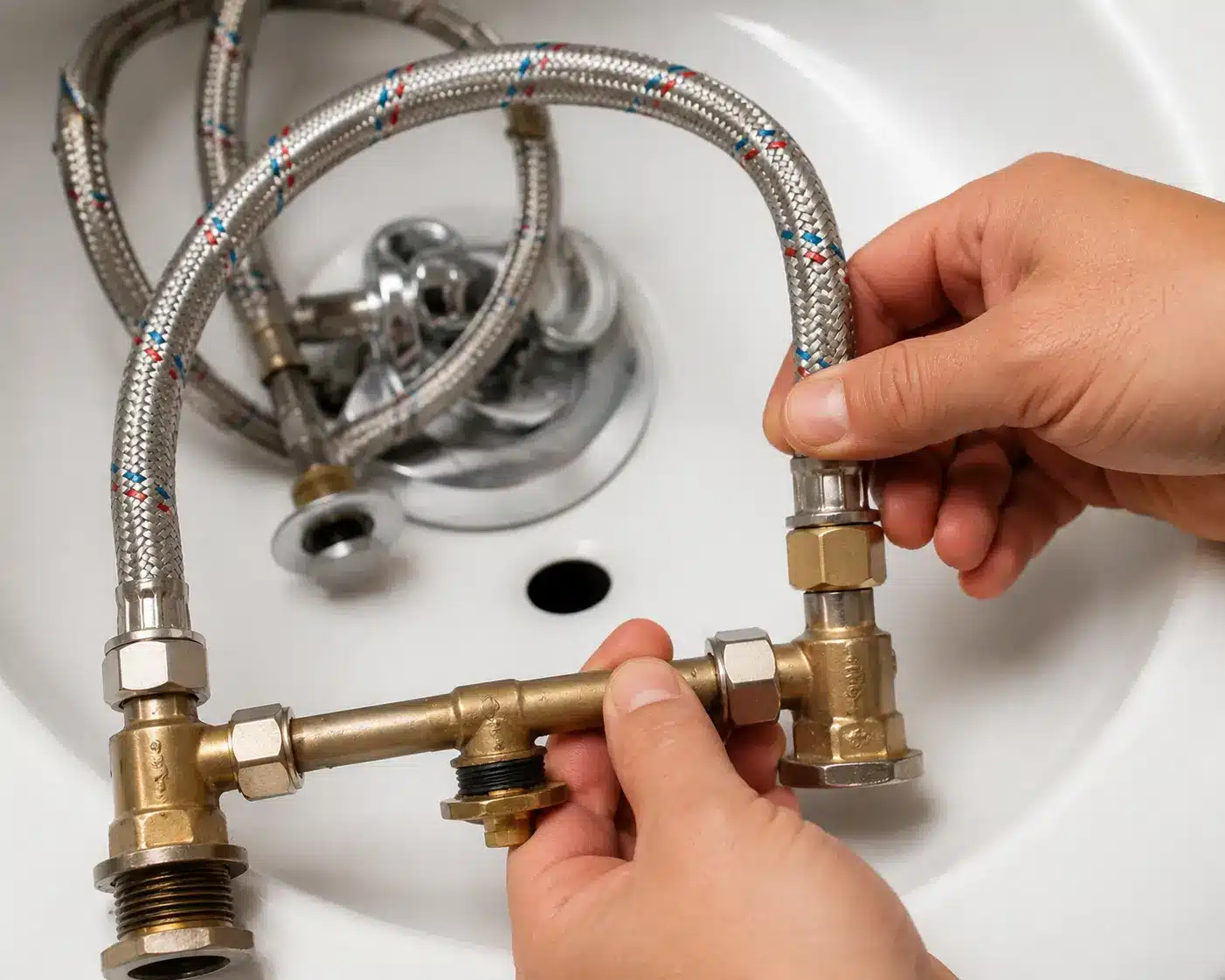
Jack responded promptly to our call to fix a leaking tap. He is courteous and professional. We were happy with his job and would be happy to get him in the future and also would certainly recommend him to friends.

SR R
9 months ago
Jack from R&G Plumbing Gas & Drainage Pty Ltd was outstanding from start to finish. His workmanship was excellent, and he was professional, friendly, and incredibly patient throughout the entire job. He went above and beyond to make sure everything was done properly and took the time to explain things clearly, which I really appreciated. The quality of his work speaks for itself, and the pricing was very fair — great value for money. I couldn’t be happier with the result and would highly recommend Jack to anyone needing a reliable and skilled plumber. Thank you Jack

Taein Jeon
9 months ago
We had a blocked drain in our backyard and R&G Plumbing reached out very quickly. Jeremy gave us a fair quote for jet blasting, so we went ahead. Zac came out and was fantastic. When the jet blasting didn’t work, he found the pipe was completely blocked by long roots and a hole in the pipe
Initially, it looked like the floor would need to be dug up for a 1.5 day job$$, which we couldn’t afford. Instead, Jack kept investigating and found another access point through our neighbour’s carpark ceiling. He organised access to neighbours garage, removed the roots, and repaired the pipe at a much more affordable price. The roots were way worse than we expected.
As a young couple and first home buyers, this was our first time dealing with a plumber and we were pretty stressed since we thought it was a simple blockage but it turned out to be a complex issue. I gotta check the drainage when im purchase property in the future. Learnt my lesson!
Jeremy and Zac explained everything clearly and provided a detailed report and invoice so we can raise it with strata, as the drainage is linked to other units and may have further issues.
Really grateful for the honesty and effort. We’ve definitely found a plumber we trust and would happily connect with Jeremy’s team again.
Initially, it looked like the floor would need to be dug up for a 1.5 day job$$, which we couldn’t afford. Instead, Jack kept investigating and found another access point through our neighbour’s carpark ceiling. He organised access to neighbours garage, removed the roots, and repaired the pipe at a much more affordable price. The roots were way worse than we expected.
As a young couple and first home buyers, this was our first time dealing with a plumber and we were pretty stressed since we thought it was a simple blockage but it turned out to be a complex issue. I gotta check the drainage when im purchase property in the future. Learnt my lesson!
Jeremy and Zac explained everything clearly and provided a detailed report and invoice so we can raise it with strata, as the drainage is linked to other units and may have further issues.
Really grateful for the honesty and effort. We’ve definitely found a plumber we trust and would happily connect with Jeremy’s team again.

Ursula Lawton
11 months ago
Very happy with the work and the service. Jack came to give me a quote on replacing 4 taps in the laundry and the Abs came to do the work 2 hours later. Everything fixed quickly on the same day. Both young men were very professional and pleasant. I would recommend them.

Les de Belin
1 year ago
My sewer was blocked, and as my normal plumber was unavailable for a week I contacted R&G Plumbing. They promptly attended after my call, and temporarily fixed the problem, but indicated the pipe had to be replaced. After being a bit taken aback by the quote, I accepted due to the urgency of the matter. Abs and his apprentice River (2 days on the job) attended on time a couple of days later to complete the job. Both very pleasant to speak to. It was an all day job to dig the hole through heavy clay, replace the pipe, back fill, and replace a row of pavers. I think they did a pretty good job with the clean up as well. Overall, happy with the reliability and outcome, though I thought a tad expensive. I did ask a general question of replacing 2 washers, and was quoted 3 times more than I actually paid my normal plumber the previous week. Anyway, the job was done to a satisfactory standard, and no complaints. Toss of the coin for 4 or 5 stars, but it came out 4 just for the cost - maybe I live in the past.....?

Paula Price
1 year ago
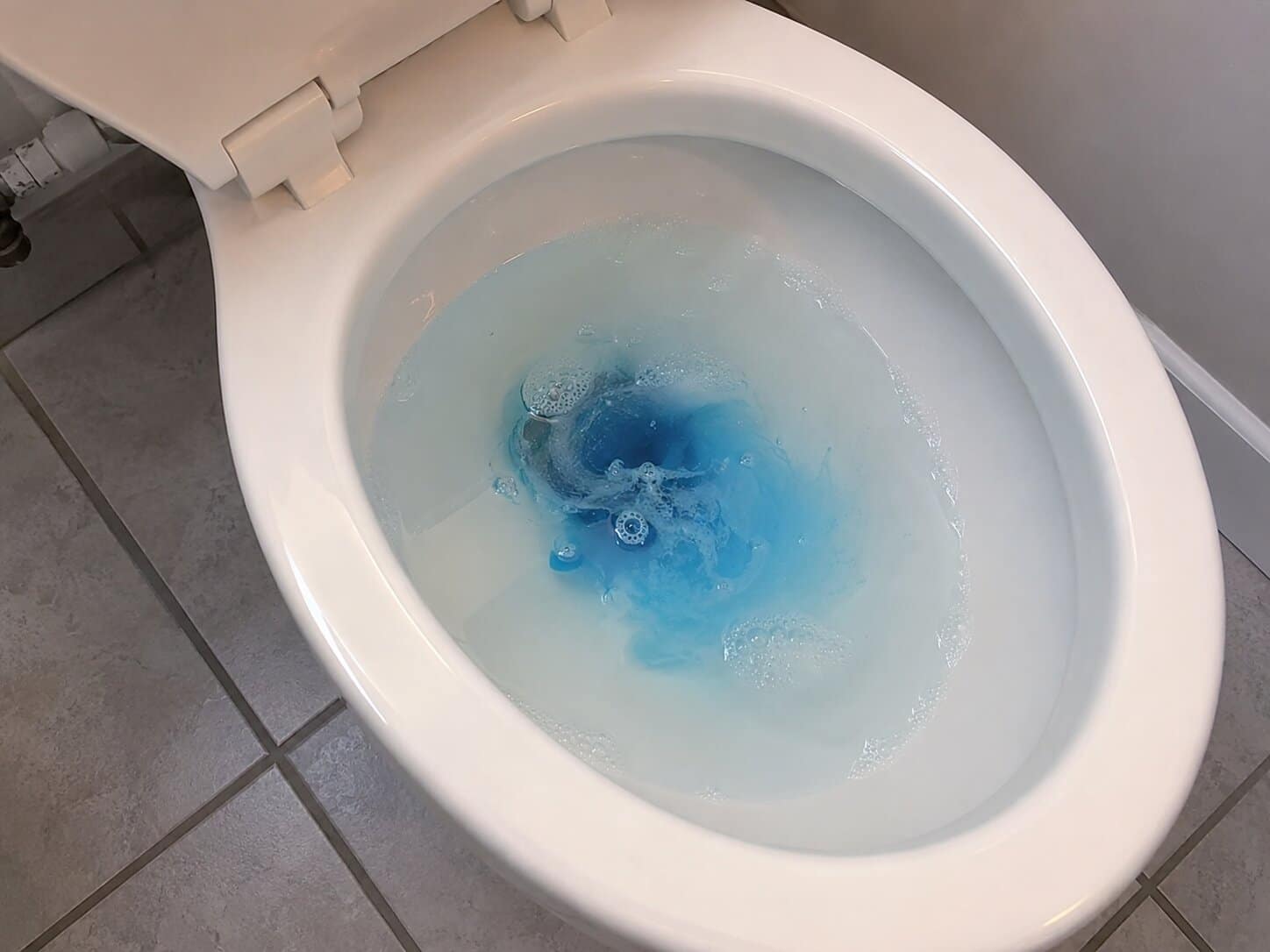
We had Zac@R&G Plumbing attend a consistently blocking toilet in our apartment. He demonstrated strong knowledge, explaining where he believed the issue lay & what he needed to do to diagnose. On confirming his diagnosis he provided a detailed report so we could provide to our strata manager as issue would require strata approval to fix. Zac was professional, honest & worked efficiently, cleaning up as if he had never been. We would have no hesitation recommending Zac for any plumbing requirement & will definitely use his services again in future. Cheers, Paula